
When we talk about what makes a great education, the conversation usually revolves around curriculums, technology, and the educators themselves. But there is a silent partner in every classroom, one that fundamentally shapes how students absorb information, interact with their peers, and feel throughout the day: the physical space.
Designing an educational institution carries a heavy, yet incredibly rewarding, responsibility. It requires a delicate balance of visionary design and grounded pragmatism. We aren't just putting up walls and dropping in desks; we are building the physical framework for the future.
Here is a look at the real-world challenges and rewards of bringing modern educational spaces to life.
The Challenge of Scale and Flow
Designing a campus is, at its core, a massive logistical puzzle. Whether you are mapping out the sprawling footprint of an engineering college or managing the high-energy daily chaos of a K-12 school, circulation is everything.
You are designing the arteries of a micro-city. Hundreds, sometimes thousands, of students need to move safely and efficiently between classes, labs, cafeterias, and open spaces in short windows of time. If the flow is bottlenecked, the entire daily schedule suffers. Designing for this scale means prioritizing wide corridors, intuitive wayfinding, and transitional zones that prevent congestion while still encouraging spontaneous interactions between students and faculty.
Balancing Durability with Inspiration
This is where the "pragmatic idealist" approach to architecture really comes into play. School buildings take an immense amount of wear and tear. The materials selected must be incredibly durable, easy to maintain, and capable of surviving heavy, chaotic, daily use for decades.
However, durability cannot come at the expense of inspiration. An institutional space should never feel cold or sterile. The challenge is finding robust materials that still feel modern and light. It's about specifying finishes that can take a beating, while using color, texture, and volume to create an environment that feels welcoming and conducive to focus.
The Space as the "Third Teacher"
In educational philosophy, the environment is often referred to as the "third teacher" (alongside adults and other students). The architecture itself should actively facilitate learning.
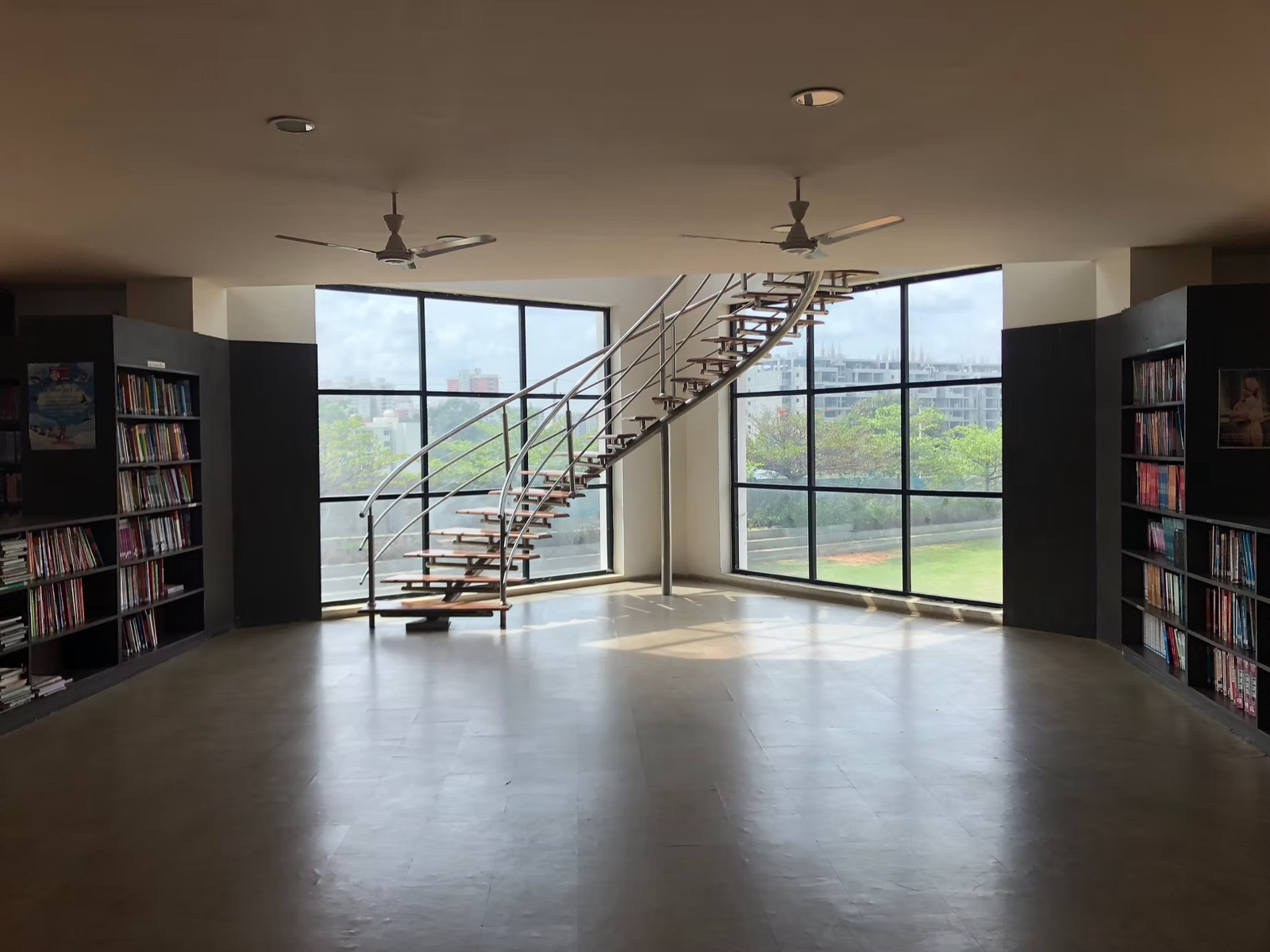
This means moving beyond the traditional, rigid "rows of desks" model. We have to design for adaptability—classrooms that can easily transition from focused individual work to collaborative group projects. Furthermore, integrating the natural environment is crucial. Well-designed courtyards that allow for passive ventilation, strategic integration of natural light, and a visual connection to the outdoors have been proven to directly impact student wellbeing, reduce fatigue, and boost academic success.
The Physical Framework for the Future
Designing educational spaces is a constant exercise in balancing the immediate, practical needs of a site with the long-term impact on the community. It's demanding work—from the initial conceptual stages to the final site visits and handing over the GFCs.
But when you walk through a finished campus and see students thriving in a courtyard you envisioned, or focused in a classroom bathed in natural light, the reality of the work sets in. We aren't just building schools; we are setting the stage for the next generation of thinkers, builders, and leaders.
Join the conversation.
React and leave a comment — sign in with GitHub to add yours.